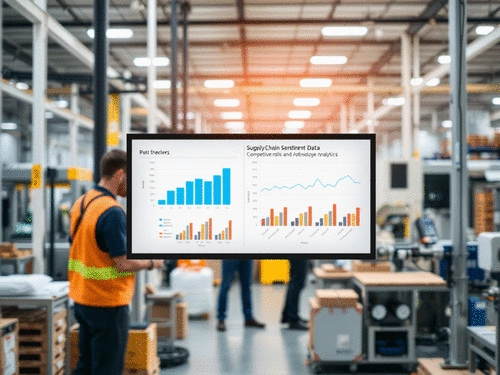
Have you considered how the emotions and perceptions surrounding your supply chain can impact your manufacturing success? Understanding supply chain sentiment data can provide you with crucial insights for better decision-making.
What You Will Learn
- The definition and importance of supply chain sentiment data in manufacturing.
- How consumer feedback can drive product innovation and market relevance.
- The role of sentiment analysis in enhancing operational efficiency and decision-making.
- Key strategies for integrating sentiment analysis into business practices.
- Essential KPIs to measure the effectiveness of sentiment analysis in your operations.
Leveraging Supply Chain Sentiment Data: Key Benefits & Implementation Steps
Understanding supply chain sentiment data offers a significant competitive edge to manufacturers. Below, we highlight the core benefits and outline a clear framework for successful implementation.
Benefits of Leveraging Sentiment Data
- Enhanced Responsiveness: Adapt to market shifts.
- Informed Decisions: Actionable insights for strategy.
- Improved Efficiency: Proactive disruption mitigation.
- Stronger Relationships: Foster customer loyalty.
KPIs for Measuring Success
- Customer Satisfaction Scores: Product/service happiness.
- Engagement Rates: Social media interactions.
- Net Promoter Score (NPS): Customer loyalty/recommendations.
- Sentiment Trends: Monitor patterns over time.
Steps to Implement Ongoing Sentiment Analysis
- Define Your Goals: Identify objectives for sentiment analysis.
- Select Tools: Choose appropriate data collection & analysis tools.
- Gather Data: Collect feedback via surveys, social media, market research.
- Analyze & Interpret: Use tools to derive actionable insights.
- Review & Adjust: Regularly assess strategy effectiveness.
Understanding the Role of Supply Chain Sentiment Data in Manufacturing
As we delve into the world of manufacturing, it's crucial to understand how supply chain sentiment data shapes our industry. This data is more than just numbers; it's a reflection of the attitudes, perceptions, and emotions that affect every layer of the supply chain. At Confident Industry, I believe that harnessing this data can empower manufacturers to make informed decisions that drive growth and innovation.
In essence, supply chain sentiment data captures the collective feelings of stakeholders, including suppliers, manufacturers, and consumers. By analyzing this data, we can gain insights into market dynamics and identify opportunities or potential threats that may arise.
What is Supply Chain Sentiment Data?
Supply chain sentiment data refers to the qualitative and quantitative insight that reflects the prevailing mood within the supply chain environment. This can include information gathered from various sources such as customer feedback, social media interactions, and industry reports. By understanding these sentiments, companies can gauge how external factors might influence their operations.
- Consumer feedback provides direct insight into preferences and expectations.
- Supplier sentiments can indicate the reliability and health of supplier relationships.
- Market trends reveal shifts in demand and supply that can affect production levels.
By integrating various forms of sentiment data, businesses can create a more comprehensive picture of their operational landscape. This holistic understanding is essential for navigating today's complex manufacturing environment.
The Importance of Sentiment Analysis in Supply Chain Management
Sentiment analysis plays a pivotal role in enhancing supply chain management. By interpreting the emotions behind data, manufacturers can better align their strategies with market realities. This is not just about collecting data; it's about effectively leveraging insights to enhance operational efficiency.
- It fosters proactive decision-making by identifying potential disruptions early.
- Helps in understanding consumer behavior, leading to improved product offerings.
- Enhances collaboration with suppliers by gauging their confidence levels.
In my experience, companies that actively engage in sentiment analysis are better positioned to respond to fluctuations in demand and supply. It allows us to pivot swiftly and adapt to changes that could impact our bottom line.
How Consumer Feedback Shapes Market Trends in Manufacturing
Consumer feedback is a powerful driver of market trends. When we listen to our customers, we gain invaluable insights that can shape everything from product development to marketing strategies. This feedback loop is essential for staying relevant in an ever-evolving landscape.
- Direct feedback informs product innovation and enhancements.
- Customer reviews influence brand perception and trust.
- Social media interactions provide immediate insights into consumer sentiment.
Understanding how to interpret and act on this feedback is crucial. It enables us to not only meet current demands but also anticipate future trends, ensuring that we remain competitive in the manufacturing sector.
Unfortunately, the search results do not provide a specific YouTube video that directly addresses "How to Leverage Supply Chain Sentiment Data for Competitive Advantage in Manufacturing." However, based on the criteria provided, here is a video that discusses the transformation of supply chains through sentiment analysis, which might be relevant:
Engage with Us!
How has supply chain sentiment data impacted your manufacturing strategies? We want to hear your thoughts! Share your insights below:
Summarizing the Benefits of Leveraging Supply Chain Sentiment Data
At Confident Industry, we've seen firsthand how understanding supply chain sentiment data can drastically transform manufacturing strategies. This data doesn’t just offer a snapshot of current market feelings; it provides a roadmap for future actions. By integrating sentiment analysis into your decision-making process, you can not only respond to trends but also anticipate changes that affect your bottom line!
Here are some key benefits of leveraging sentiment data in manufacturing:
- Enhanced Responsiveness: Quickly adapt to shifts in consumer preferences and market dynamics.
- Informed Decision-Making: Utilize actionable insights to inform your operational strategies.
- Improved Supply Chain Efficiency: Identify potential disruptions early and mitigate them proactively.
- Stronger Customer Relationships: Align your offerings with customer sentiment to foster loyalty.
As we continue to navigate an ever-evolving landscape, the ability to interpret and act on sentiment data has become a crucial differentiator for manufacturers looking to succeed.
Key Takeaways for Manufacturers Looking to Gain a Competitive Edge
In our experience at Confident Industry, manufacturers who effectively harness sentiment data are better positioned to thrive in today’s competitive environment. Here are some key takeaways to consider:
- Integrate sentiment analysis into your strategic planning.
- Regularly monitor trends to stay ahead of the competition.
- Utilize feedback to refine your product offerings.
- Engage with stakeholders to foster a culture of continuous improvement.
By adopting these practices, you are not only enhancing operational efficiency but also ensuring that your business can pivot as needed in response to market changes.
Steps to Implement a Framework for Ongoing Sentiment Analysis
If you’re ready to embrace the power of sentiment data, it’s essential to establish a robust framework for ongoing analysis. Here are steps to get started:
- Define Your Goals: Identify what you want to achieve with sentiment analysis.
- Select Tools and Technologies: Choose the right tools that fit your business needs for data collection and analysis.
- Gather Data: Collect feedback through surveys, social media, and market research.
- Analyze and Interpret Data: Use analytical tools to derive actionable insights.
- Review and Adjust: Regularly assess the effectiveness of your strategy and make necessary adjustments.
Implementing this framework ensures that you remain attuned to market sentiment and can make informed decisions that drive your manufacturing success.
Measuring Success: Key Performance Indicators (KPIs) for Sentiment Analysis
To gauge the effectiveness of your sentiment analysis efforts, it’s crucial to establish Key Performance Indicators (KPIs). Here are some KPIs to monitor:
- Customer Satisfaction Scores: Measure how happy your customers are with your products and services.
- Engagement Rates: Track interactions on social media and other platforms to assess sentiment.
- Net Promoter Score (NPS): Evaluate customer loyalty and the likelihood of recommendations.
- Sentiment Trends: Monitor changes in sentiment over time to identify emerging patterns.
By focusing on these KPIs, you can effectively measure the impact of sentiment analysis on your manufacturing operations and make data-driven adjustments accordingly.
FAQs on Supply Chain Sentiment Data in Manufacturing
- What is supply chain sentiment data?
- Supply chain sentiment data refers to qualitative and quantitative insights reflecting the prevailing attitudes, perceptions, and emotions of stakeholders (suppliers, manufacturers, consumers) throughout the supply chain. It helps companies understand market dynamics and potential influences on operations.
- Why is sentiment analysis important in supply chain management?
- Sentiment analysis is crucial because it allows manufacturers to interpret the emotions behind data, facilitating proactive decision-making, understanding consumer behavior for improved product offerings, and enhancing collaboration with suppliers by gauging their confidence levels.
- How does consumer feedback impact market trends in manufacturing?
- Consumer feedback is a powerful driver of market trends. Direct feedback informs product innovation, customer reviews influence brand perception and trust, and social media interactions provide immediate insights into consumer sentiment, all of which shape product development and marketing strategies.
- What are the key benefits of leveraging supply chain sentiment data?
- Key benefits include enhanced responsiveness to market shifts, informed decision-making based on actionable insights, improved supply chain efficiency through proactive disruption mitigation, and stronger customer relationships by aligning offerings with customer sentiment.
- What KPIs should be used to measure the success of sentiment analysis?
- Effective KPIs for sentiment analysis include Customer Satisfaction Scores (CSAT), Engagement Rates on social media, Net Promoter Score (NPS) for customer loyalty, and Sentiment Trends to monitor changes and identify emerging patterns over time.
Encouraging Action: Your Next Steps in Using Sentiment Data
As we wrap up this exploration of supply chain sentiment data, it’s time to consider how you can take action. At Confident Industry, we believe that knowledge is power, and using sentiment analysis can significantly bolster your competitive edge.
Resources for Further Learning and Development
To help you further your understanding of sentiment data, here are some valuable resources:
- Online courses on data analysis and sentiment tracking.
- Industry reports from Confident Industry detailing market trends.
- Webinars featuring experts discussing real-world applications of sentiment analysis.
- Books on B2B intelligence and manufacturing insights.
Engaging with these resources will deepen your knowledge and empower your organization to leverage sentiment data for strategic advantage.
Join the Discussion: Share Your Experiences with Sentiment Data in Manufacturing
I invite you to connect with us and share your experiences regarding sentiment data in manufacturing! Whether you’ve had successes, challenges, or insights, your voice matters. Let's foster a community where we can learn from each other and enhance our understanding of how sentiment data can shape the future of manufacturing.
What steps will you take today to integrate sentiment insights into your strategies? Let's continue this conversation!
Recap of Key Points
Here is a quick recap of the important points discussed in the article:
- Supply chain sentiment data reflects the collective feelings of stakeholders, influencing manufacturing strategies.
- Utilizing sentiment analysis enhances decision-making by identifying market trends and potential disruptions.
- Consumer feedback is vital for product innovation, brand perception, and anticipating future market demands.
- Establishing a framework for ongoing sentiment analysis is crucial for informed decision-making in manufacturing.
- Monitoring Key Performance Indicators (KPIs) helps measure the effectiveness of sentiment analysis efforts.